Woodland Hills · Los Angeles · Family Business Since 2007
Hardwood Flooring Installation in Los Angeles
Licensed Flooring Contractor.
Your floor is installed by Glamour Flooring, a Licensed Flooring Contractor. CSLB #1005283 (C-15), based at 21030 Victory Blvd in Woodland Hills since 2007.
We sell and install hardwood flooring across Los Angeles from our showroom at 21030 Victory Blvd, Woodland Hills. As a licensed flooring contractor, we handle the whole job: removal of the old floor, subfloor prep, installation, stairs and trim.
A written estimate, with each part of the job on its own line
Stairs, transitions and baseboard trim, listed in the same estimate
Installation by a Licensed Flooring Contractor (CSLB #1005283)
What does hardwood installation cost?
Hardwood floors start at $3.49/sq ft, material only; installation priced separately; prices vary by product.*While Supplies Last*
Installation is quoted at a free in-home estimate, after we measure your rooms and check the subfloor, because the total depends on two things: the floor you choose and your house.
The floor you choose
Solid or engineered construction
Species, such as European white oak, French oak, hickory or maple
Plank width and board length
Grade (prime or character), wear layer and finish
Pattern: a straight lay, or herringbone and chevron, which need more extra material for cuts
Your house
Square footage and room layout, including closets, halls and transitions
Removing and hauling away the old floor
Subfloor leveling, and any moisture work a concrete slab needs
Installation method: nail-down, glue-down or floating
Stairs: treads, risers and nosing, counted separately from flat floor
Transitions, door clearances and baseboard
Delivery available, charged separately based on job site location and project size. Your written quote lists each part on its own line; see what the quote includes.
Licensed Flooring Contractor · CSLB #1005283 · Family business since 2007
12 month interest free financing *Call for Details*
Recent hardwood installations from around the San Fernando Valley. Each project was measured, prepped and installed by a Licensed Flooring Contractor (CSLB #1005283).
A few of our recent jobs across the Los Angeles area, each installed by a Licensed Flooring Contractor (CSLB #1005283). Follow a link for photos and the full write-up.
Calabasas: light oak through a full remodel
Oasis Seaside Breeze engineered oak in 7-1/2″ planks, run from the entry through the hallway, open kitchen and bedrooms. We installed before the baseboards so the trim covers the expansion gap.
Light wide-plank hardwood through the great room, kitchen, bedroom and home office of this Porter Ranch home. It is one of the jobs in our European white oak work.
About 600 sq ft of tile and carpet removed, the slab ground and leveled with self-leveling compound, then engineered hardwood glued down. It was a two-day job: demolition and leveling on day one, installation on day two.
Woodland Hills: French oak over a leveled subfloor
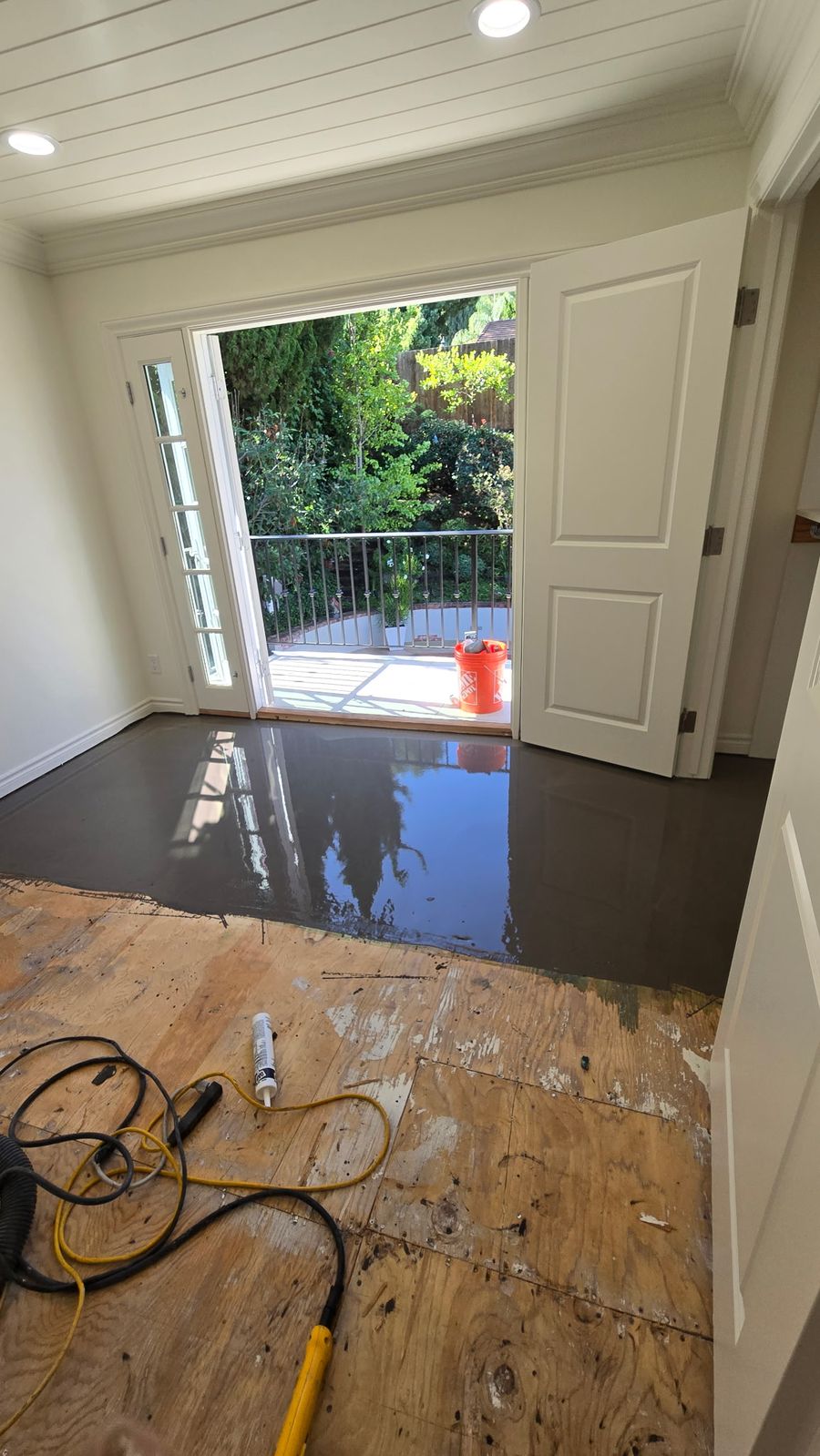
We supplied California Classics Aegean French oak (8″ wide, wire-brushed), took up the old floor, cleaned old adhesive off the plywood subfloor and poured self-leveling material where it was needed. Our installers then glued the planks down.
Monarch Plank Lago in Devero, laid in herringbone on the first floor, with a 6.5″ plank upstairs. We self-leveled the floors first and glued every board down, with a moisture-barrier adhesive over the concrete areas.
European White Oak · Engineered · 7.5″ wide · 1/2″ thick · 2mm wear layer · random lengths 1′–6′ · material only. Delivery available, charged separately based on job site location and project size.
Free in-home estimate. We measure every room, check the subfloor and give you an exact quantity and price. No obligation.
Demolition and prep. We remove and haul away the old flooring, level the subfloor and check for moisture.
Installation. Glue-down or nail-down, depending on the subfloor, plus transitions, baseboard and stair nosing. Slab homes get engineered hardwood, usually glued down after a moisture test; raised wood subfloors can take nail-down solid or engineered.
Walkthrough. We go over the finished floor with you before we call it done.
Watch us install hardwood
This video shows our hardwood flooring work around Los Angeles, including glue-down and nail-down installation and hardwood restoration. Call (818) 963-0878 for a free in-home estimate.
Buyer information
Installing hardwood in Los Angeles and San Fernando Valley homes
The right hardwood specification depends on the house. A 1960s slab ranch in Woodland Hills, a raised-foundation home in Tarzana and a condo in Encino each need a different answer. These are the three situations we see most often.
Solid vs. engineered hardwood
Solid boards are one piece of wood and need to be nailed into a wood subfloor, so we install them over raised wood subfloors. Engineered boards have a real wood wear layer over a stable core, so they tolerate the moisture and temperature swing that comes up through a slab. Many Valley homes sit on a concrete slab, and that is where we install engineered. Solid vs. engineered hardwood flooring Weighing engineered hardwood against vinyl plank for a whole house? Read engineered hardwood vs. luxury vinyl plank.
Slab-on-grade homes: engineered, not solid
Many Valley homes sit on a concrete slab. That rules out most solid hardwood, because solid boards need to be nailed into a wood subfloor and move too much against concrete.
On slab we install engineered hardwood, usually glue-down. Engineered boards have a real wood wear layer over a stable core, so they tolerate the moisture and temperature swing that comes up through a slab. Before we quote, we test the slab for moisture. Skipping that test is the most common reason hardwood fails here, and it shows up months later as cupping or hollow-sounding boards. We do this slab testing on every job, including hardwood floor installation in Van Nuys.
The subfloor decides the method. Nail-down is for solid or engineered boards over a wood subfloor. Glue-down is our usual method for engineered hardwood on a concrete slab. A floating floor, laid over an underlayment, can suit some condos and some subfloors, especially where the building sets a sound rating.
Method
Subfloor
Floor type
Underfoot
When we use it
Nail-down
Raised wood subfloor
Solid or engineered
Firm, traditional feel
Raised-foundation homes
Glue-down
Concrete slab
Engineered
Feels solid and sounds less hollow
Most slab homes, after a moisture test
Floating
Slab or wood, over an underlayment
Engineered
Can sound more hollow without the right underlayment
Some condos and HOA buildings with a sound rating, and some subfloors
We recommend the method after we check the subfloor at your free in-home estimate.
Glue-down: Provenza Antico Relic engineered hardwood going down in an Encino home, after the floor was ground and leveled.
Removing your old floor
Most of the hardwood floors we install replace something else: carpet, tile, laminate, vinyl or worn-out hardwood. As a licensed flooring contractor, we take up the old floor, haul it away and prepare what is underneath, and removal is its own line on your written quote.
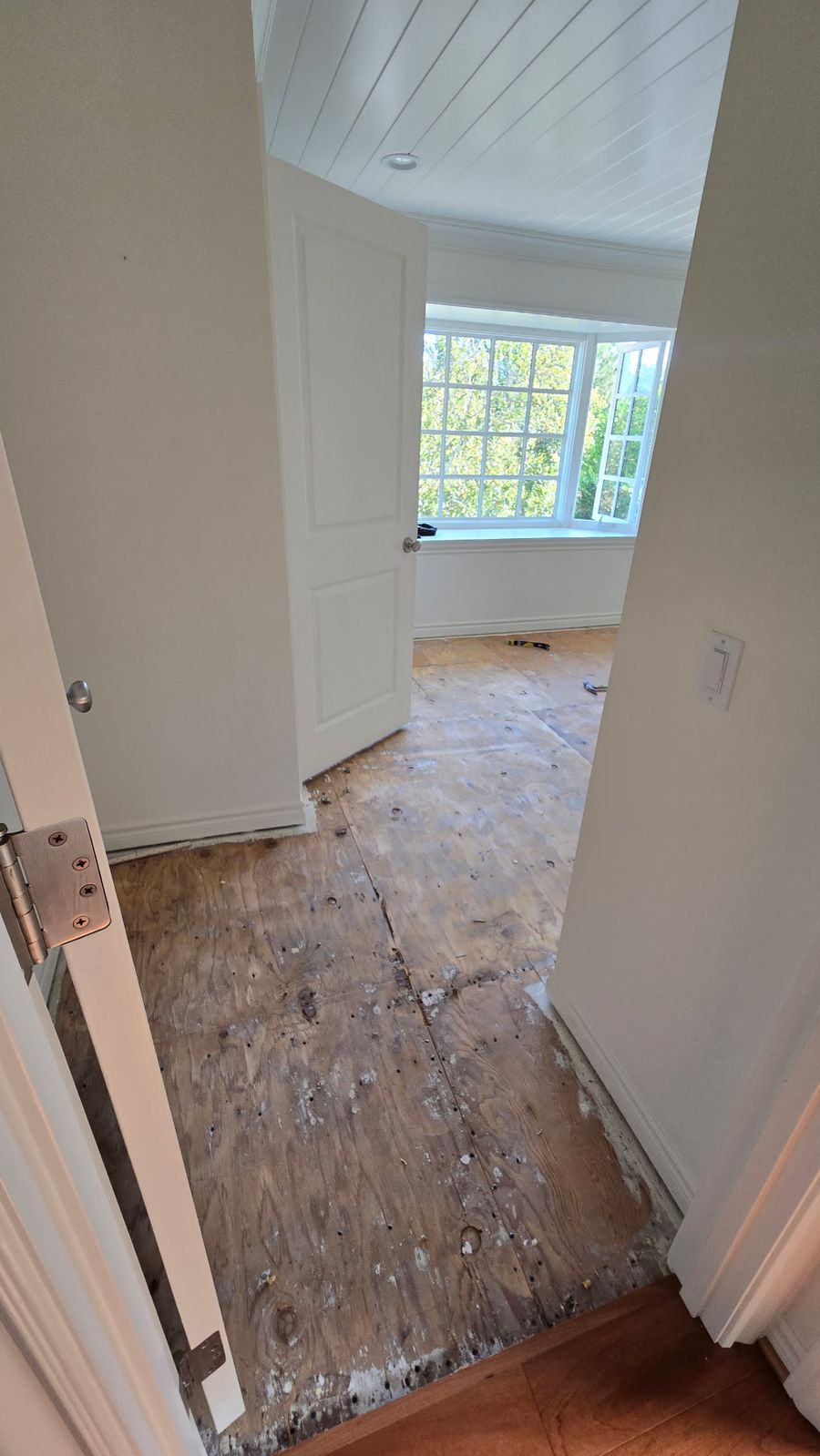
What turns up under the old floor decides the prep. In one Woodland Hills home, the plywood subfloor under the old flooring had adhesive residue, fastener holes and seams between sheets, so we cleaned it and poured self-leveling material where it was needed before the French oak went down. On a Woodland Hills job of about 500 sq ft with a 15-step staircase, day one was demolition, day two was floating the subfloor and cutting for the steps, and day three was the wood floor installation, baseboards and cleanup.
Woodland Hills: the plywood subfloor after the old flooring came up.Self-leveling material poured where the floor needed it.
Before we quote, we check what’s under your floor:
Moisture. We test a concrete slab for moisture before we quote.
Flatness. The subfloor has to be flat within the flooring manufacturer’s limits. We level it where needed, and the leveling is listed on your quote.
Wood subfloors. Over a raised foundation, we check the wood subfloor before we nail down.
Acclimation. The wood adjusts to your home per the manufacturer’s guidelines before we install it.
Heights. We check where the new floor meets tile, carpet, stairs and doors, so transitions and door clearances are planned before the install.
What “flat and dry” means in practice: the flooring and adhesive manufacturers set the limits, and their instructions come first. NWFA guidance calls for a concrete slab that is flat to within 1/8 inch over 6 feet (or 3/16 inch over 10 feet), dry, clean and free of cracks, and new concrete isn’t moisture-tested until it is at least 30 days old. If the slab tests too wet, the fix is a vapor retarder the manufacturer approves or more drying time, and that work is listed on your quote.
From one of our project posts: in a Woodland Hills home of about 500 sq ft with a 15-step staircase, the subfloor was wavy, so we floated it and feathered it flat before installing, and used the baseboard as a skirt along the staircase. See the Woodland Hills staircase job.
Hardwood on stairs
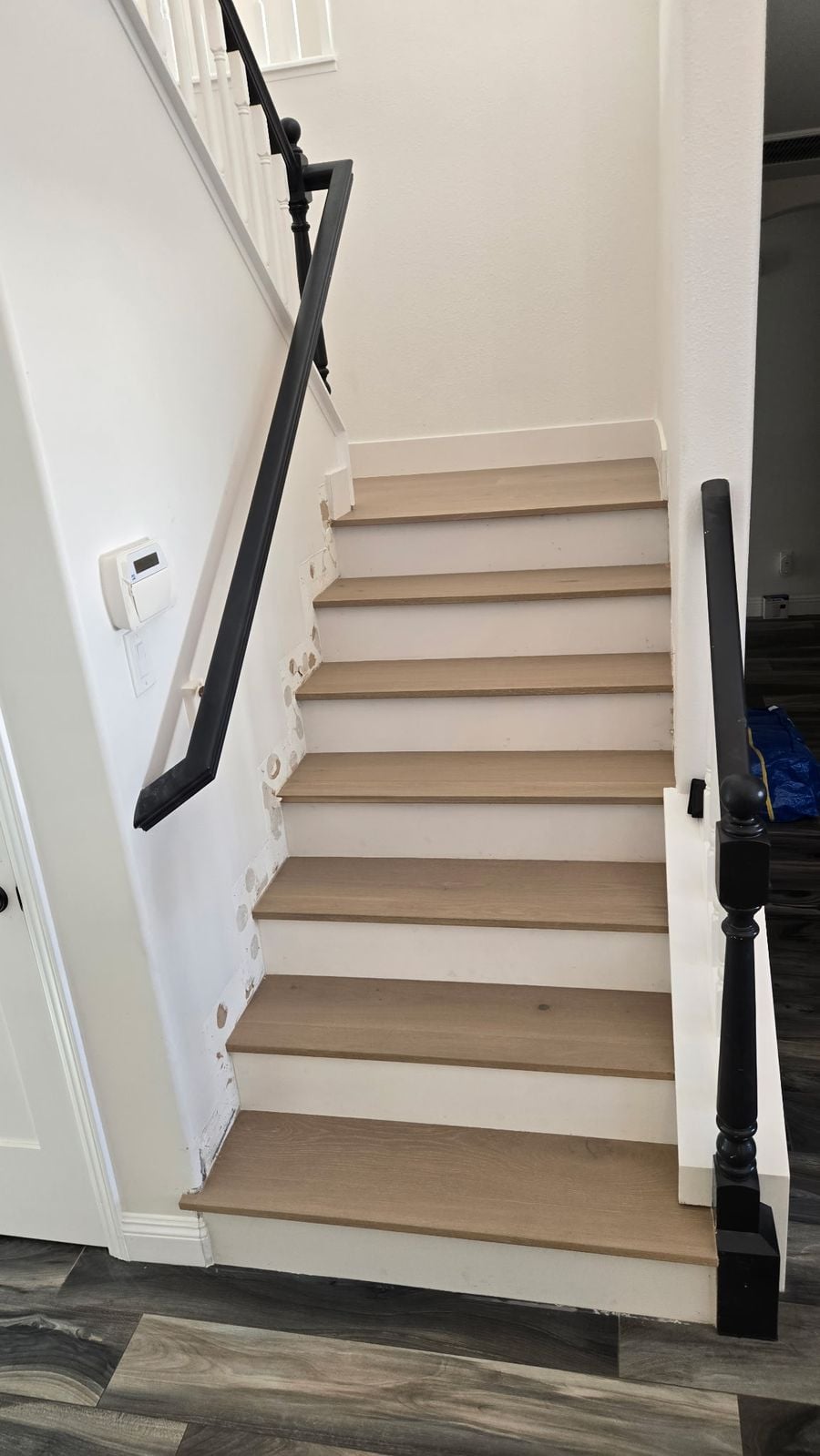
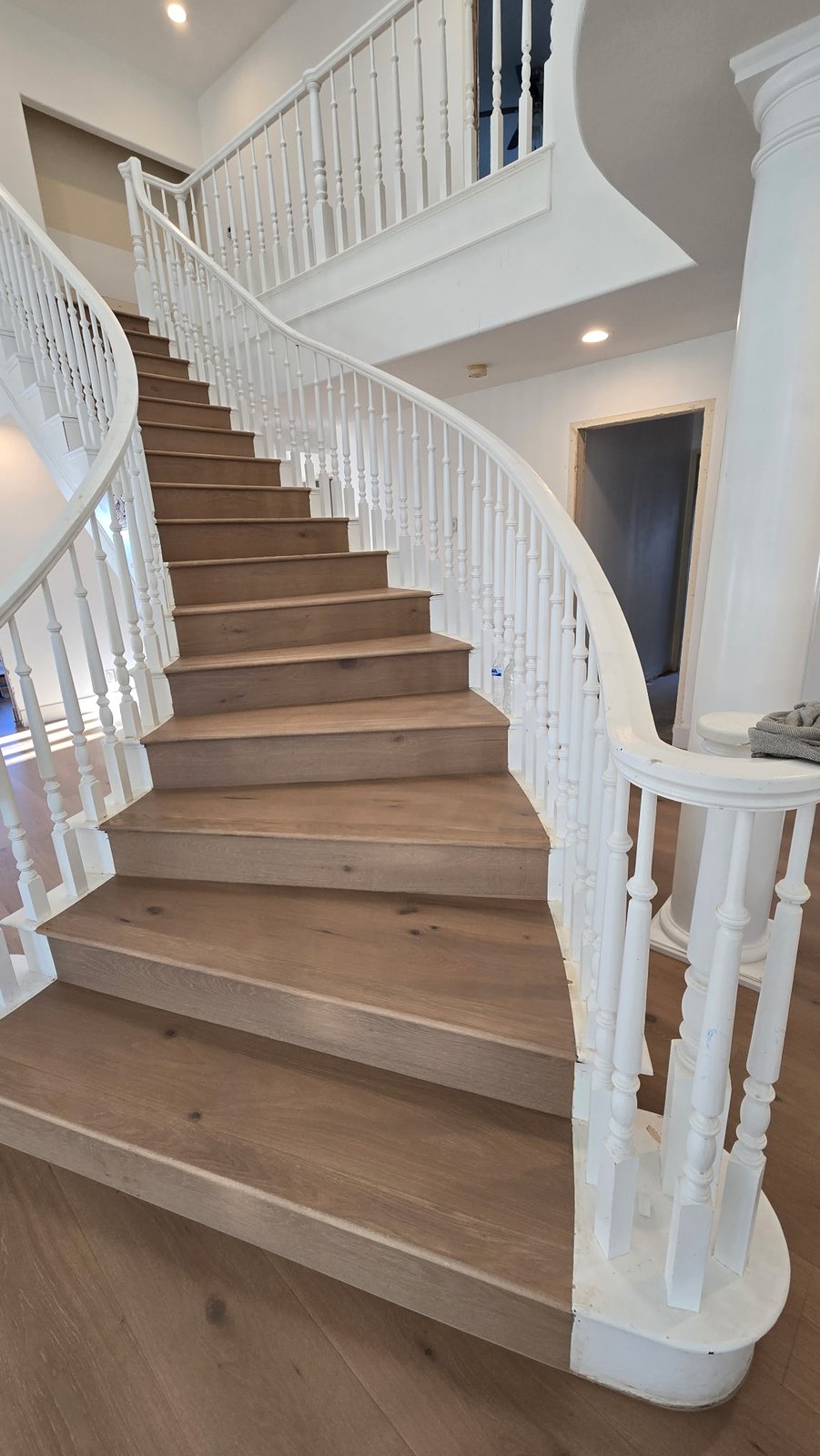
Stairs are quoted separately from the flat floor, with treads, risers and nosing on their own line. On a Los Angeles job, we installed new Urban Floor Brindisi European oak treads with a matching stair nose on each step, and white risers at the client's request. In Santa Clarita, we carried 9.5″ engineered European white oak up a curved staircase, with hardwood planks across each step and coordinating stair nosings at the edge.
Los Angeles: oak treads with stair noses and white risers.Santa Clarita: European white oak on a curved staircase.
Many older homes already have narrow-strip oak under the carpet. If those boards are solid and thick enough, refinishing is usually cheaper than replacing. We will tell you when that is the better option. Where the boards are too thin to sand again, water-damaged, or you want a wider plank and a modern color, replacement makes sense. In post-war neighborhoods such as Northridge, ask us to check any existing oak and the subfloor during your free in-home estimate.
Condos and HOAs with sound requirements
Most condo buildings and many HOAs set a minimum sound rating for flooring over occupied units and want the underlayment specification before approving the install. Get your building’s requirement in writing first and bring it to us. We match the underlayment to the spec so the installation is approved.
How long does it take?
We give you the schedule at the in-home estimate, once we’ve seen the rooms and the subfloor.
What affects the price
Installation is quoted after we measure your rooms and check the subfloor at a free in-home estimate, because the price depends on the house. Your written quote lists each part separately:
Hardwood material, by the square foot, including the extra needed for cuts and pattern layouts
Removal and haul-away of the old floor
Subfloor leveling, and any moisture work the slab test calls for
Installation by method: nail-down, glue-down or floating
Stairs: treads, risers and nosing
Transitions and baseboard
Delivery, charged separately based on job site location and project size
The product you choose changes the total too: solid or engineered, species, plank width, and patterns such as herringbone.
Hardwood floors start at $3.49/sq ft, material only; installation priced separately; prices vary by product. *While Supplies Last*
Most floors are finished in matte, satin or semi-gloss; the choice is mostly about look and how much shine you want to maintain. We can stain to match cabinets, trim or furniture. Bring a sample to the showroom and we will hold it against real boards.
Existing floors
Already have oak floors? Compare refinishing and replacing
Many older homes already have narrow-strip oak under the carpet. If those boards are solid and thick enough, refinishing by a specialist is often cheaper than replacing. Glamour Flooring focuses on new hardwood and European white oak installation; during a free in-home estimate we can help you decide which path fits your home.
As a licensed flooring contractor, we install hardwood across Los Angeles from our showroom at 21030 Victory Blvd in Woodland Hills, on concrete slabs and raised wood foundations alike. Most jobs replace carpet, tile, laminate, vinyl or worn-out hardwood, and we run the whole sequence ourselves: removal, moisture testing, subfloor leveling, installation, stairs and trim.
We install from our Woodland Hills base across the San Fernando Valley, the Westside, the Conejo Valley and the Pasadena–Glendale foothills. Closest to the showroom, see hardwood floor installation in Woodland Hills. Find your city:
Call ahead and visit the showroom at 21030 Victory Blvd, Woodland Hills, Monday to Wednesday and Friday 10am to 6pm, Thursday 10am to 4pm and Saturday 10am to 5pm (closed Sunday), to see the matching sample in person. If the drive is impractical, book a free in-home estimate. We bring flooring samples to your home.
Can you install solid hardwood on a concrete slab?
Usually not. Solid boards need to be nailed into a wood subfloor and move too much against concrete. On slab we install engineered hardwood, usually glue-down, after testing the slab for moisture.
Do you remove the old floor?
Yes. As a licensed flooring contractor, we remove and haul away the old floor, level the subfloor, install, and finish transitions, baseboard and stair nosing.
How do I get a price?
Book a free in-home estimate. We measure every room, check the subfloor and give you an exact quantity and price with no obligation.
My condo HOA has sound requirements. Can you help?
Yes. Get your building’s requirement in writing and bring it to us, and we match the underlayment to the spec so the install can be approved.
Should I refinish my existing hardwood or replace it?
If your existing boards are solid and thick enough, refinishing is usually cheaper than replacing. Where the boards are too thin to sand again, water-damaged, or you want a wider plank and a modern color, replacement makes sense.
Can I see the hardwood before I buy it?
Yes. Call ahead to see the matching sample at our showroom at 21030 Victory Blvd, Woodland Hills, or book a free in-home estimate and we'll bring samples to your home.
Do you install hardwood on stairs?
Yes. We install staircases with treads, risers and matching stair nosing.
What affects the cost of hardwood flooring installation?
Total square footage, the hardwood you choose (solid or engineered, species, plank width, pattern), removing the old floor, subfloor leveling and moisture work, stairs, and transitions and baseboard. You get an exact quantity and price at the free in-home estimate.
Does the $3.49/sq ft price include installation?
No. Hardwood floors start at $3.49/sq ft, material only; installation priced separately; prices vary by product. We quote installation at a free in-home estimate, after we measure your rooms and check the subfloor.
How long does a hardwood installation take?
It depends on the square footage, the removal and how much subfloor prep is needed. We give you the schedule at the in-home estimate, once we have seen the rooms and the subfloor. For example, our Encino job (about 600 sq ft, with tile and carpet removal and leveling) took two days.
Concrete slab or wood subfloor: what changes?
On a concrete slab we install engineered hardwood, usually glued down, after a moisture test. Over a raised wood subfloor we can nail down solid or engineered boards.
Glue-down or floating: which is better?
On a slab, glue-down is our usual method for engineered hardwood because it feels solid underfoot and sounds less hollow. A floating installation over an underlayment can suit some condos and some subfloors, especially where the building sets a sound rating. We recommend the method after we check the subfloor.
Are you a licensed hardwood flooring contractor in Los Angeles?
Yes. Glamour Flooring is a licensed flooring contractor (CSLB #1005283, C-15), a family business since 2007. Licensed Flooring Contractor, working from our Woodland Hills showroom at 21030 Victory Blvd. Book Free In-Home Estimate or call (818) 963-0878.
How dry does a concrete slab need to be for hardwood?
The flooring and adhesive manufacturers set the limit, and their instructions come first. A common limit for wood floors is 75% relative humidity, measured with probes set into the slab (ASTM F2170), and NWFA guidance says new concrete should be at least 30 days old before moisture testing. Above the limit, the floor needs a vapor retarder the manufacturer approves, or the slab needs more time to dry. We test the slab for moisture before we quote.
Free In-Home Estimates
Book your free in-home estimate
See real boards in your own light, get an exact quantity and price, no obligation. Call (818) 963-0878 or visit 21030 Victory Blvd, Woodland Hills.
12 month interest free financing *Call for Details*
Free carpet removal all November! Just mention code NOVEMBER CARPET to our sales team before your estimate.

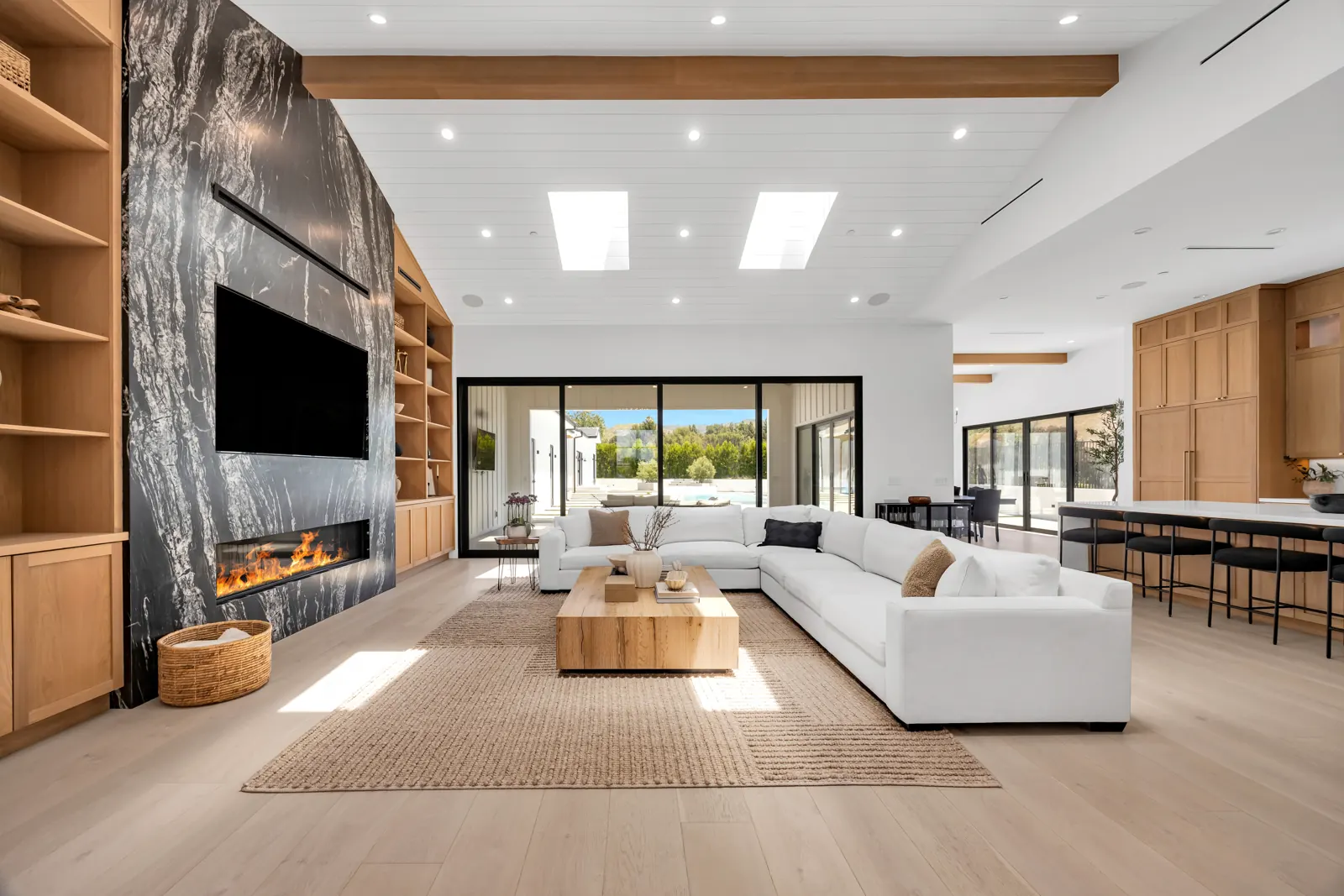
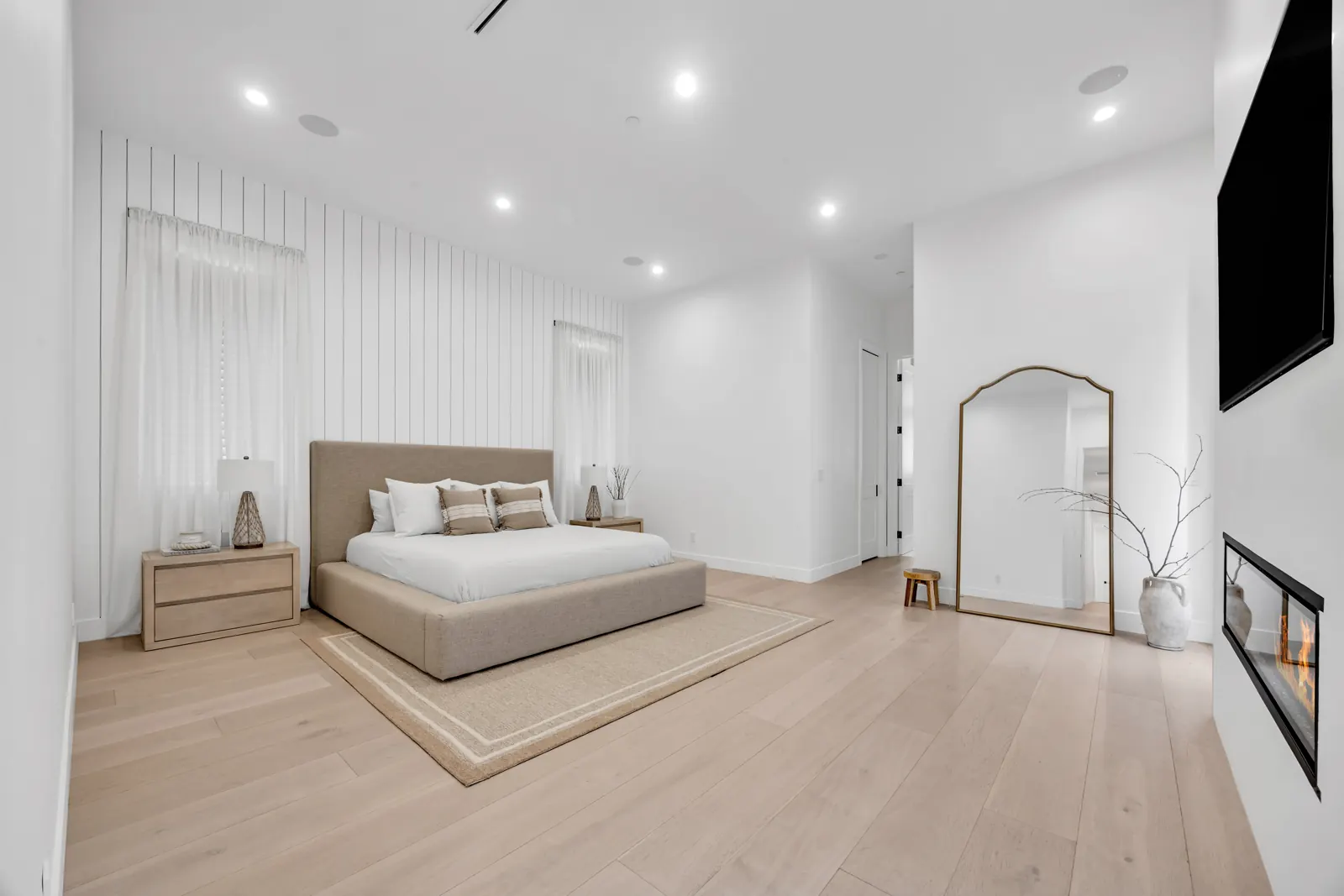
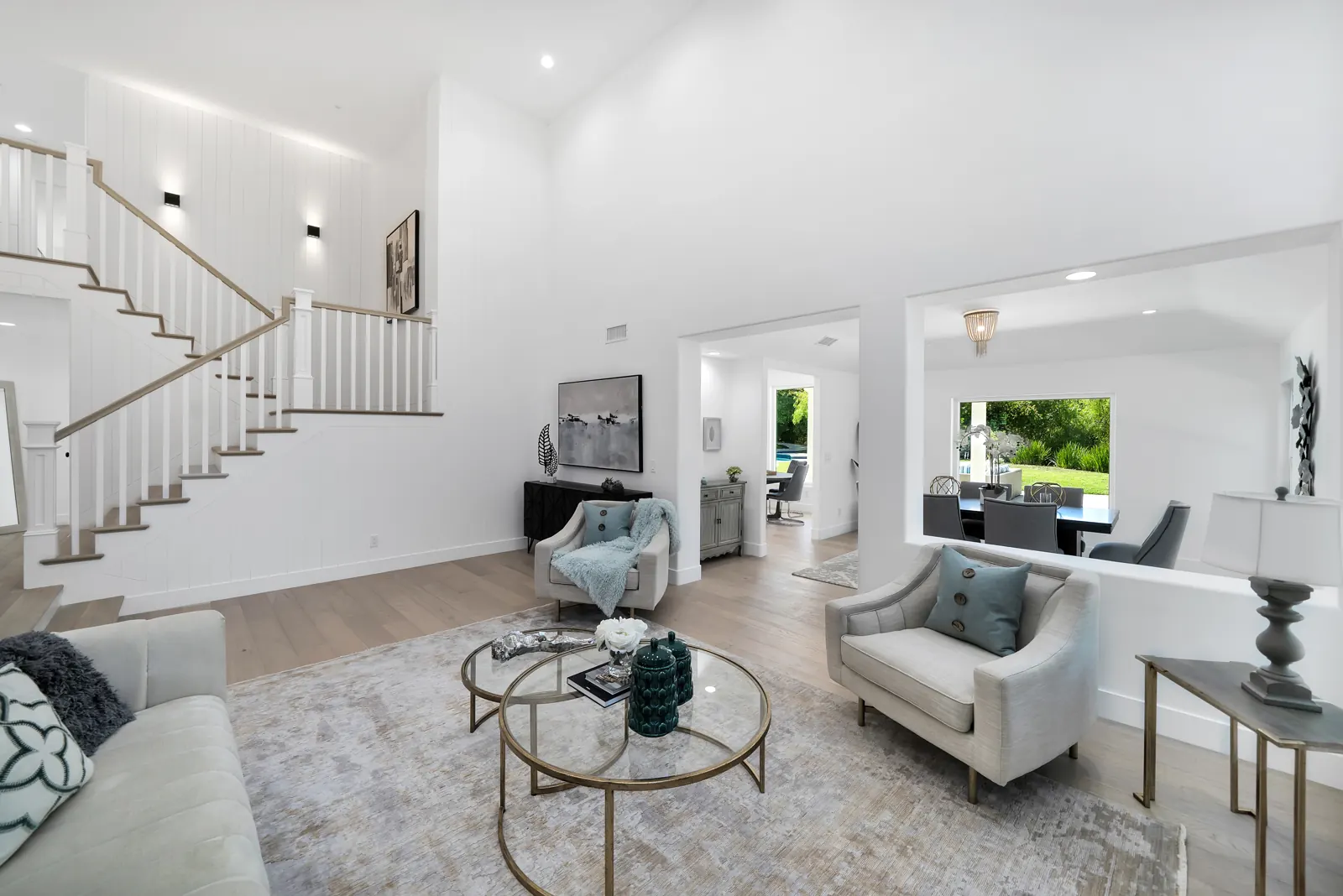
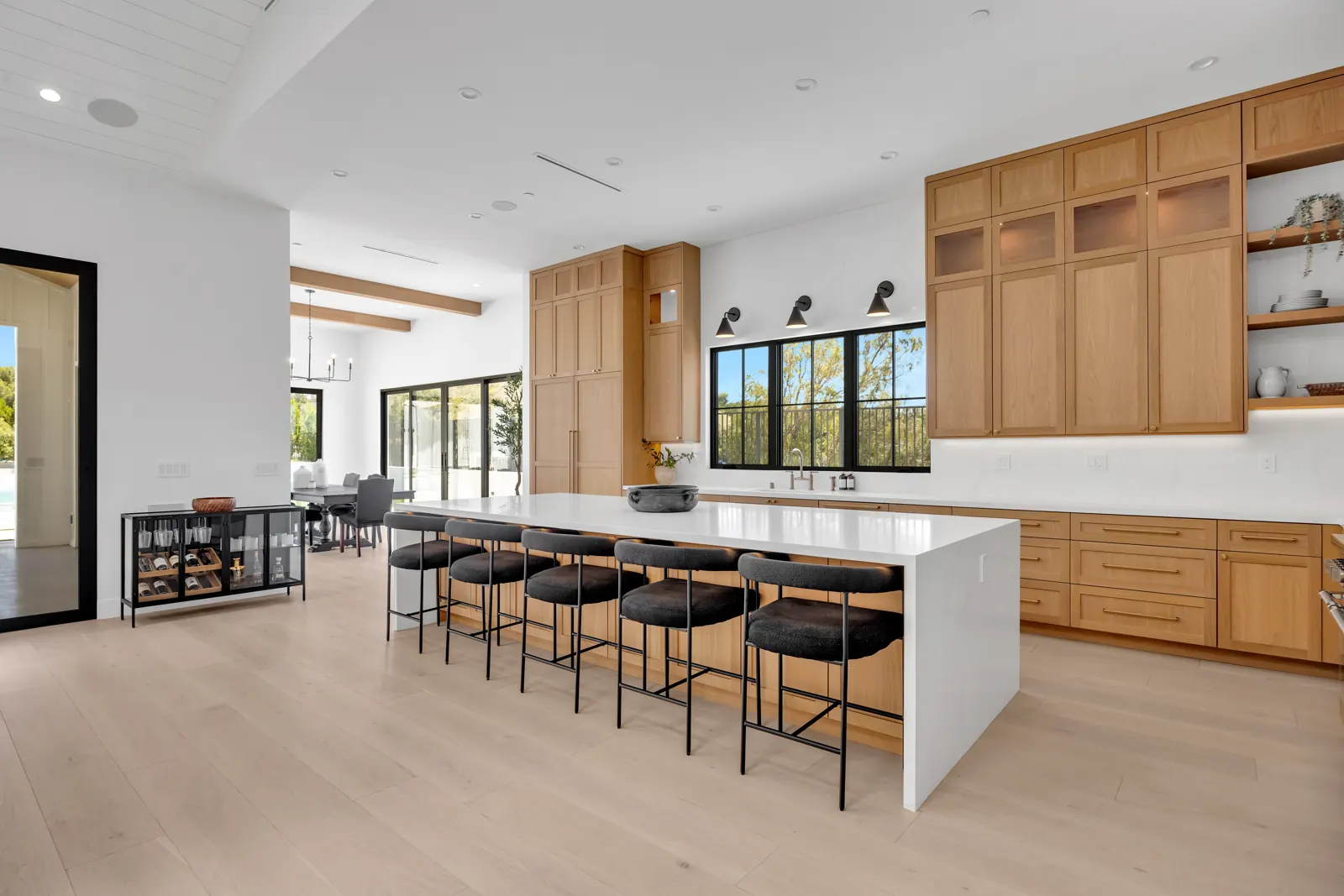
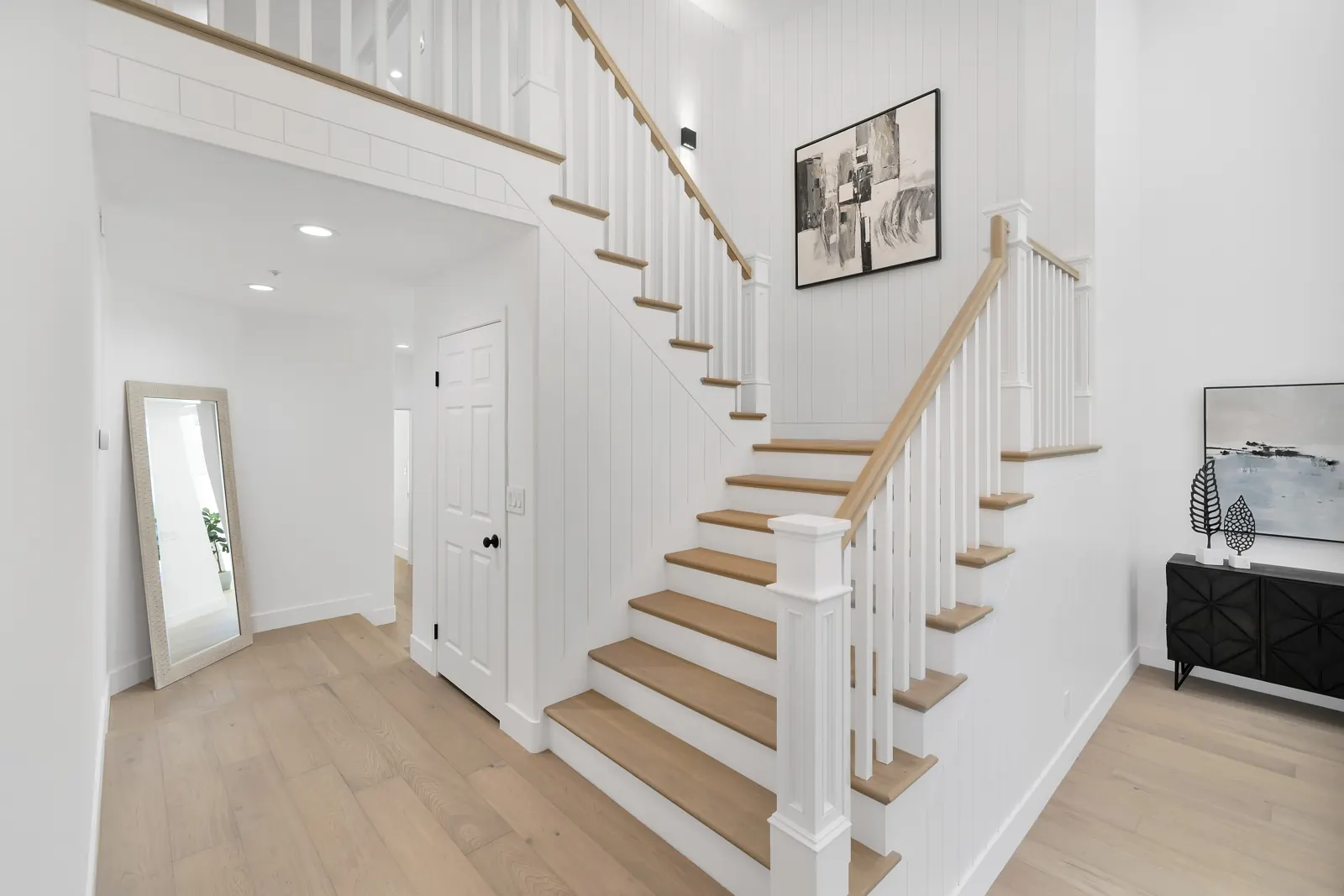
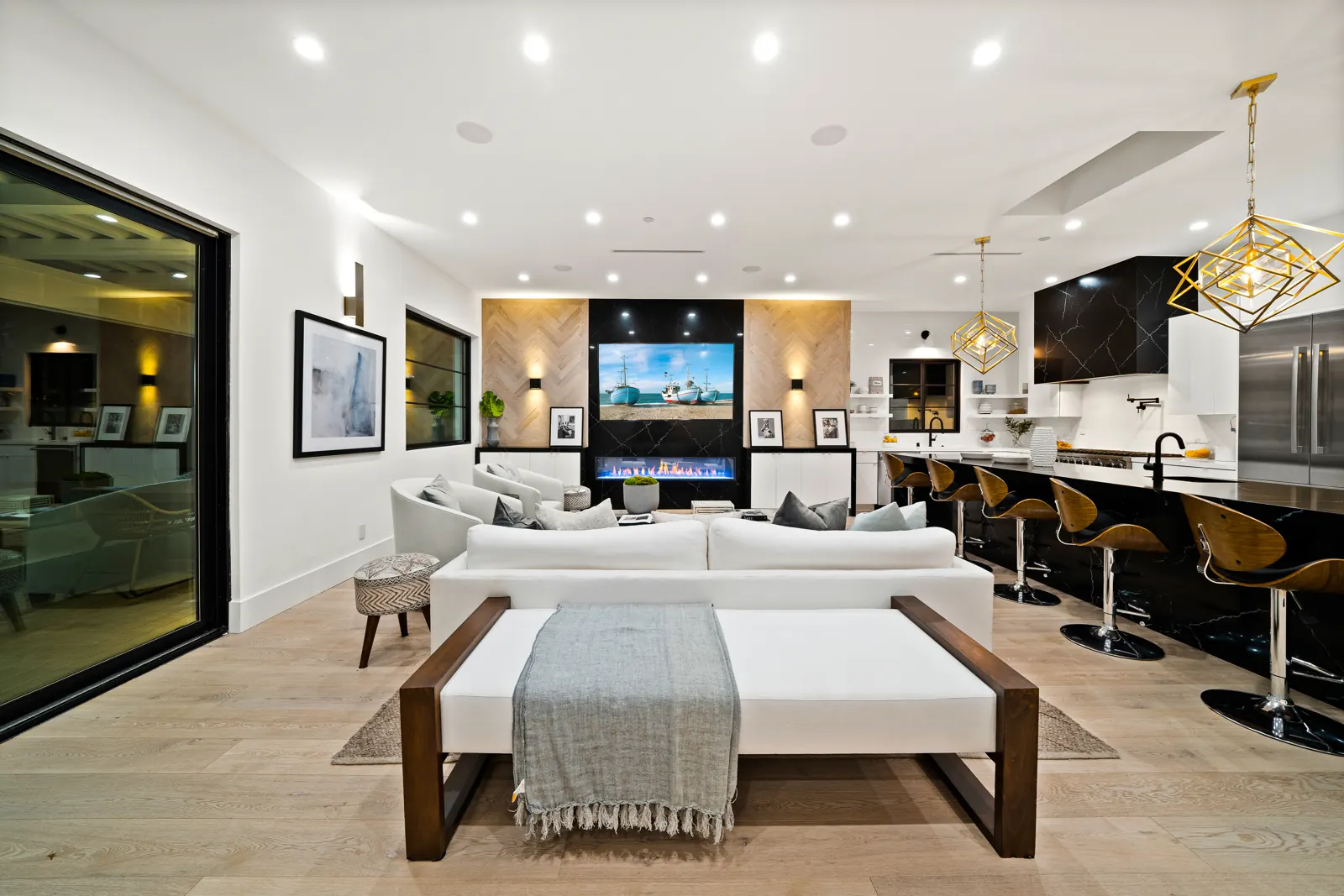
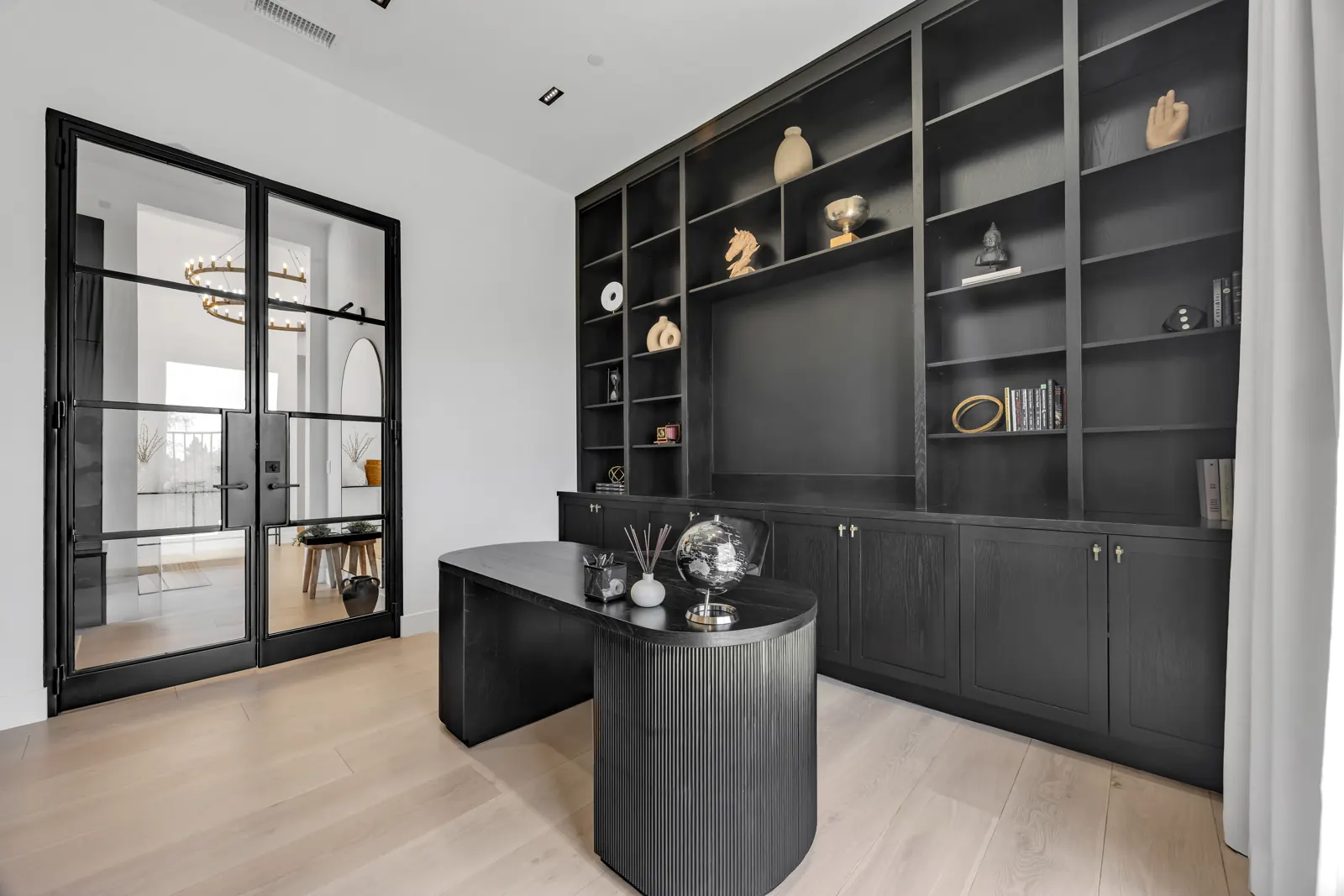
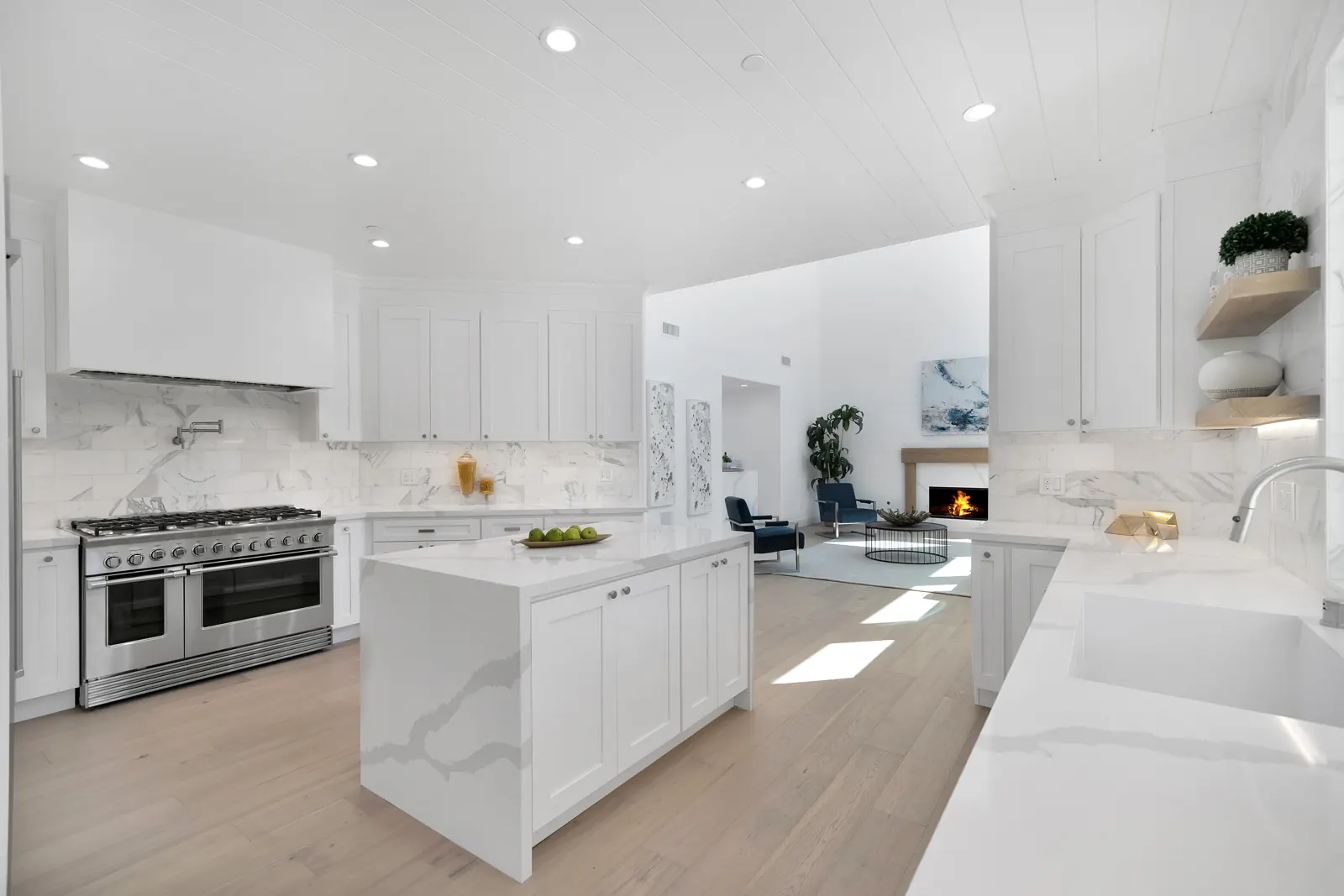
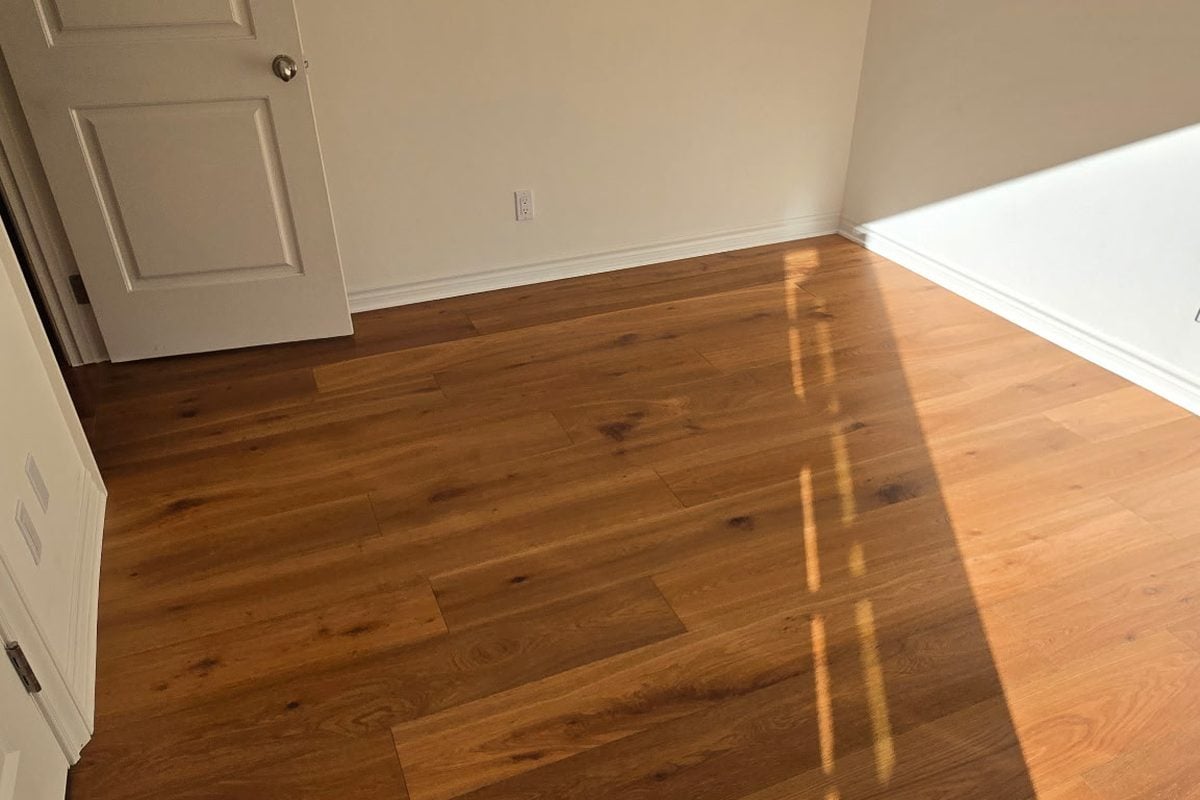

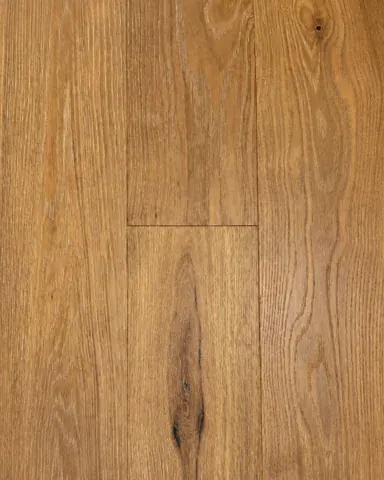
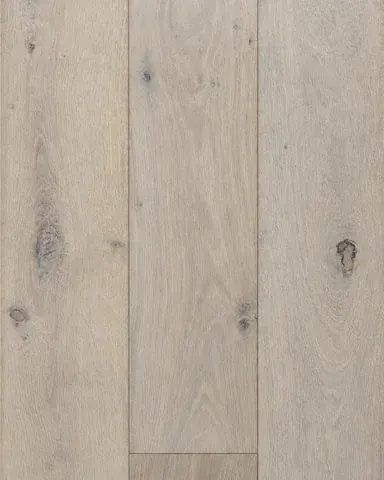
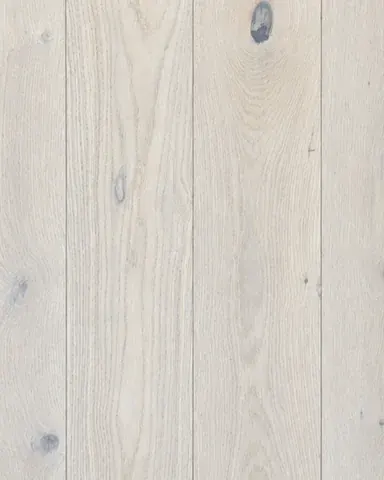
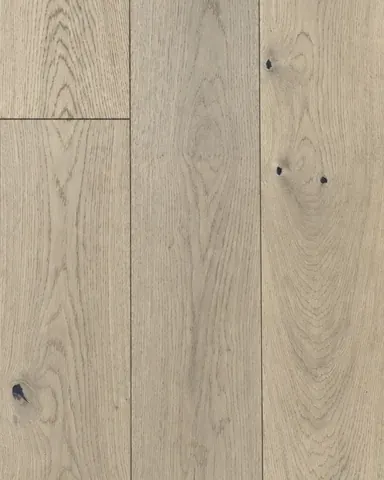
 Bergamo Oak Farini
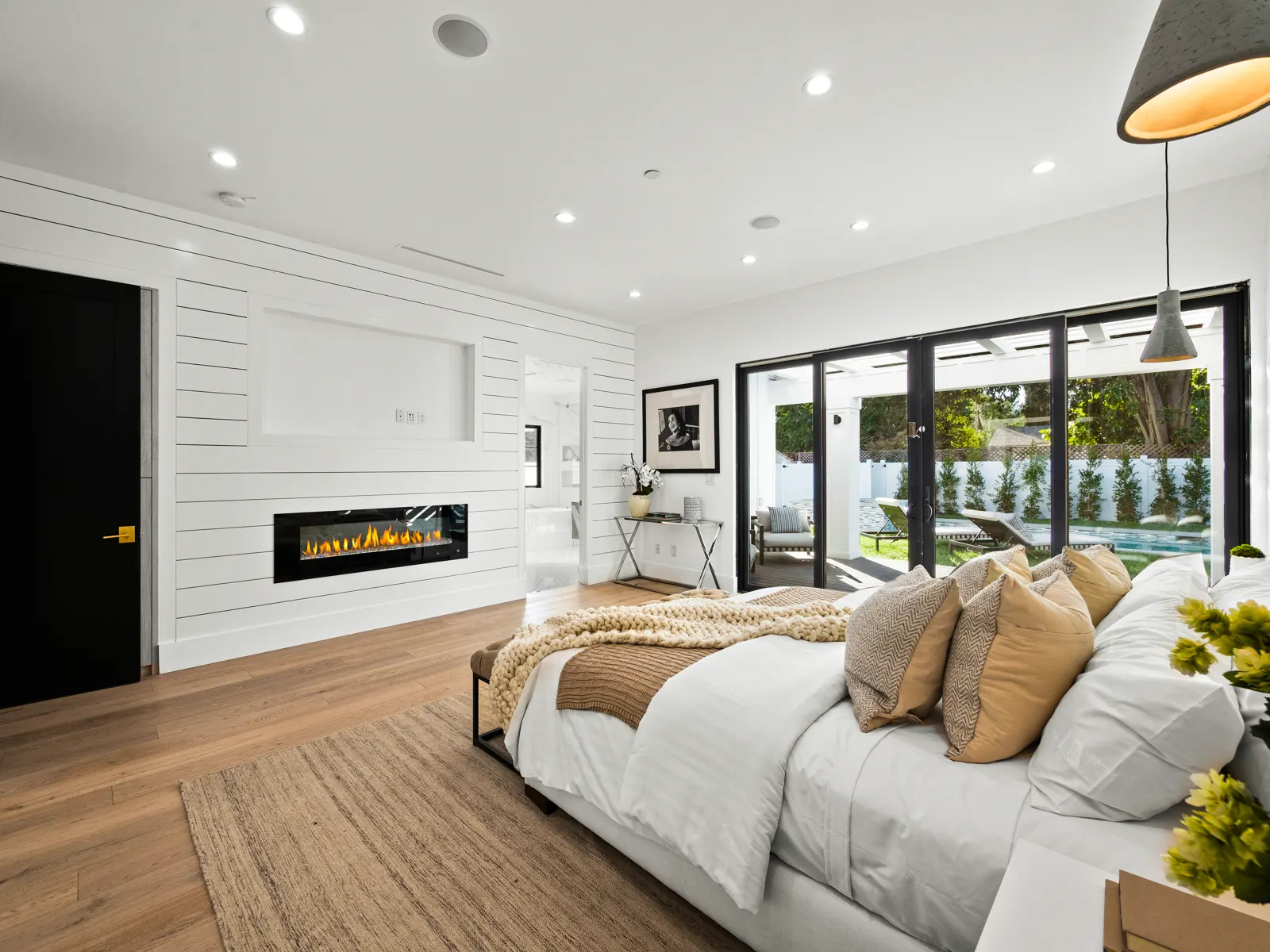
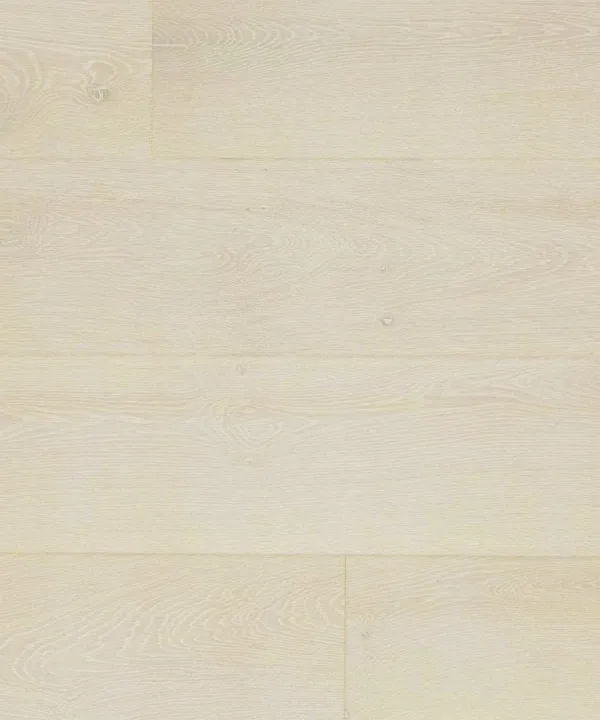
 Bergamo Oak Mondovi
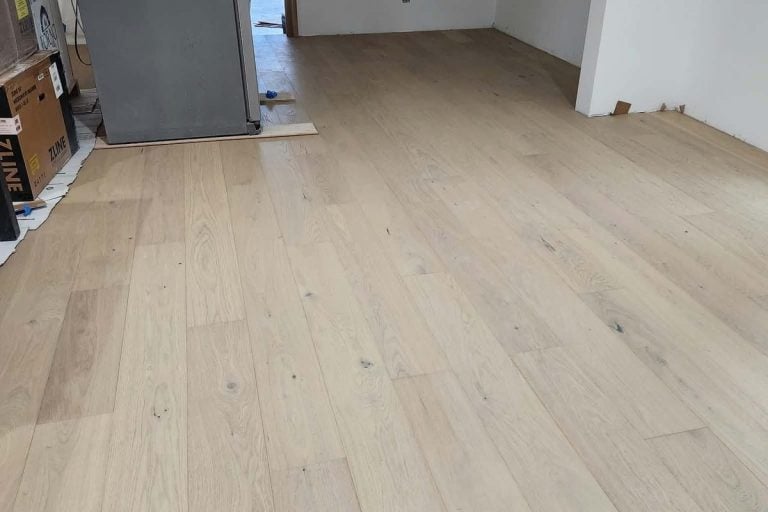
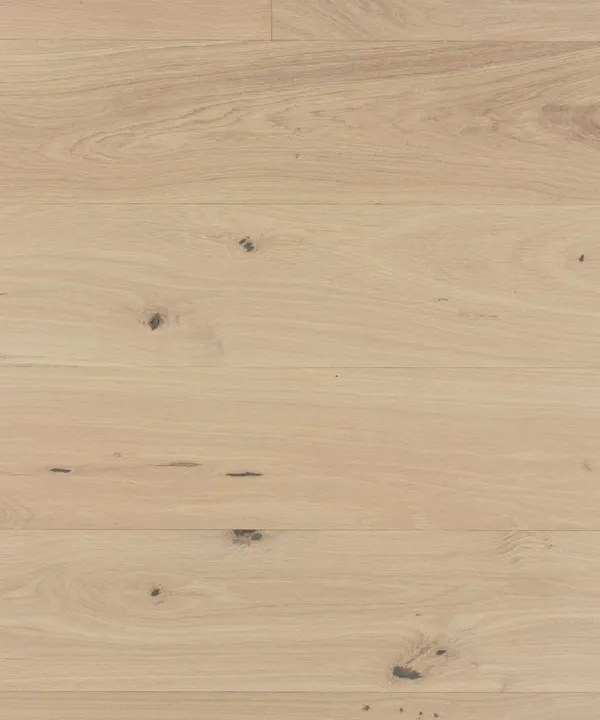
 Bergamo Oak Lasa Bene
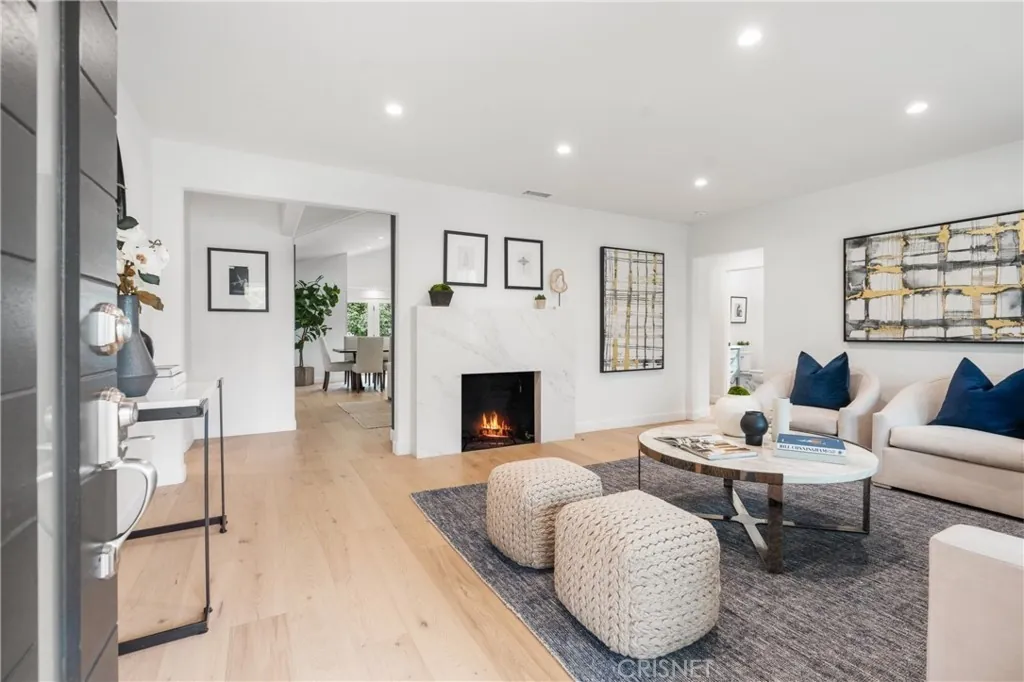
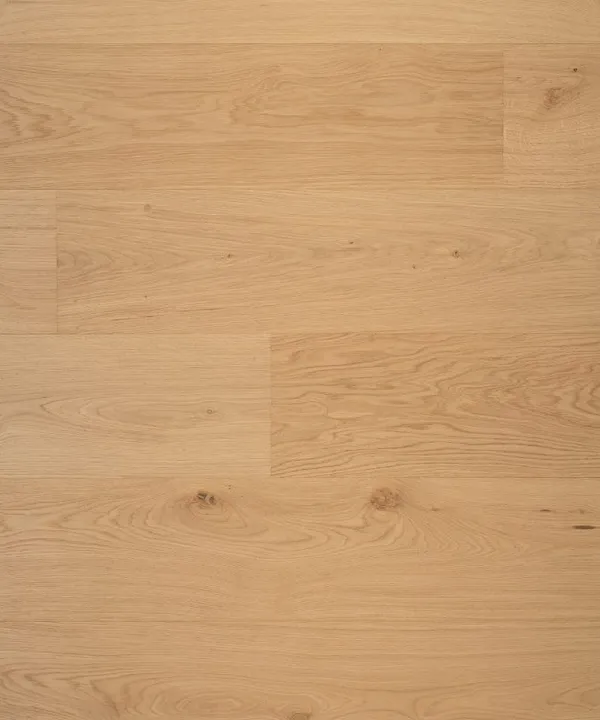
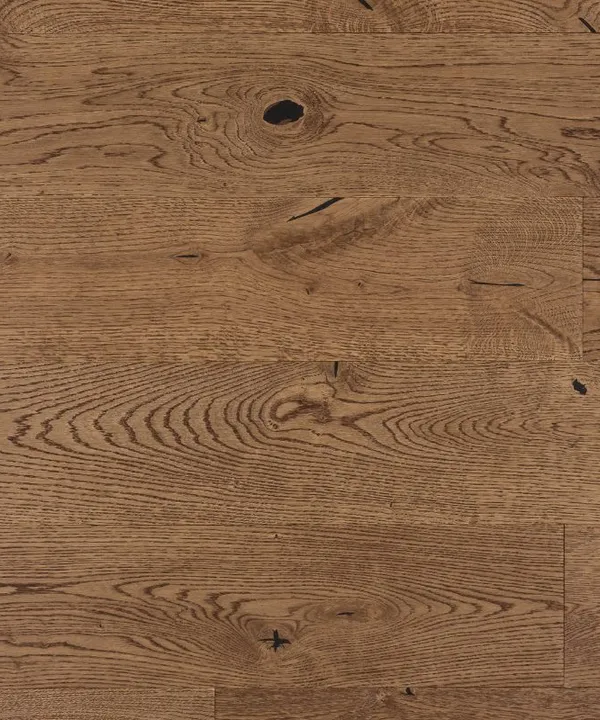 Bergamo Oak Oliveto